
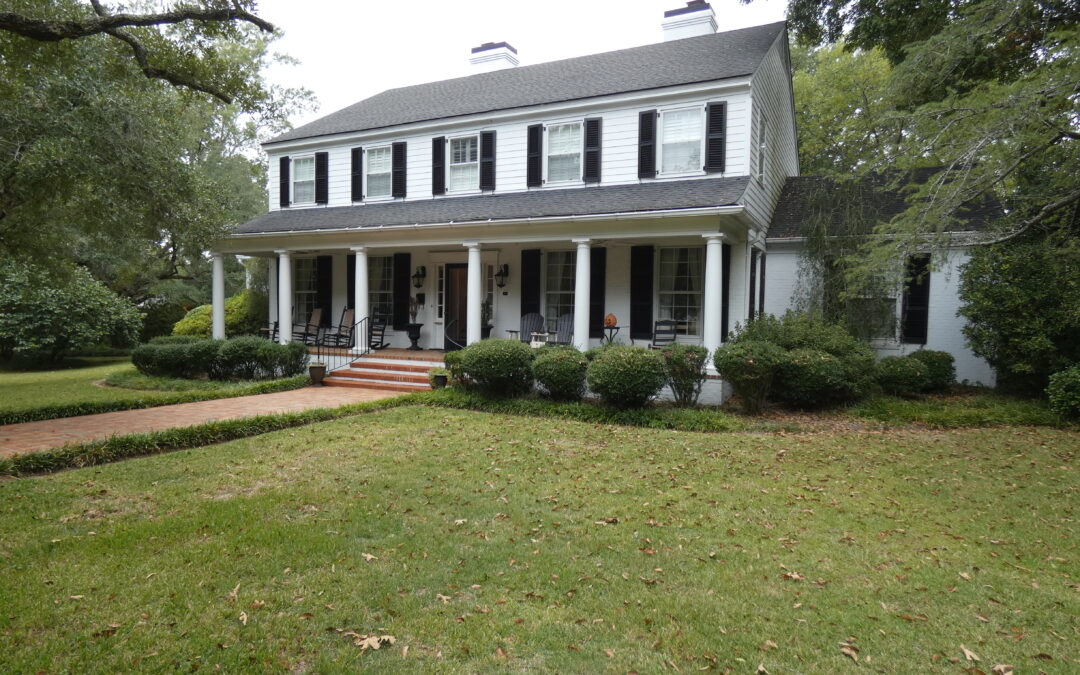
There’s something undeniably charming about wood shutters. They have history. They have character. And for a long time, they were genuinely one of the best options available for exterior shutters on a home.
But that was then.
Wood Used to Be Different
Here’s something most homeowners don’t know: the wood used in construction today is not the same wood that was used 100 years ago.
Historically, most lumber came from old growth forests — trees that had been growing for hundreds of years. That slow, dense growth produced wood that was naturally tight-grained, resistant to moisture, and remarkably durable. Old growth wood could handle the elements in a way that modern lumber simply can’t replicate.
The problem is that old growth forests are largely gone. Today’s lumber comes from fast-growing, plantation-raised trees that are harvested in a fraction of the time. The result is wood that is less dense, more porous, and far more vulnerable to the elements — especially when it’s installed on the exterior of a home and exposed to sun, rain, humidity, and everything in between.
The Real Problems With Wood Shutters Today
To be fair, not all wood is created equal. Cedar and redwood are still considered solid choices for exterior applications because of their natural oils and resistance to moisture. But even the best wood shutters come with a list of maintenance realities that most homeowners don’t fully anticipate.
Rot. Wood and moisture are not friends. Over time — sometimes faster than you’d expect — wood shutters begin to absorb water, swell, warp, and eventually rot. Once rot sets in, there’s no reversing it.
Bug infestation. Wood is an open invitation for termites, carpenter bees, and other insects looking for a place to call home. Exterior shutters are especially vulnerable because they’re often installed in areas with less airflow and more moisture.
Constant maintenance. Even when wood shutters are in good shape, they require regular painting, sealing, and inspection to stay that way. Skip a season of maintenance and you’ll feel it — and see it — pretty quickly.
What Happened When One Homeowner Hit Their Limit
We recently worked with a homeowner whose wooden louvered shutters had simply run their course. What had once been a beautiful exterior detail had become an eyesore — warped panels, peeling paint, and wood that was well past its prime.
They knew they wanted to keep the classic louvered look they loved. They just didn’t want to go through the same cycle again.
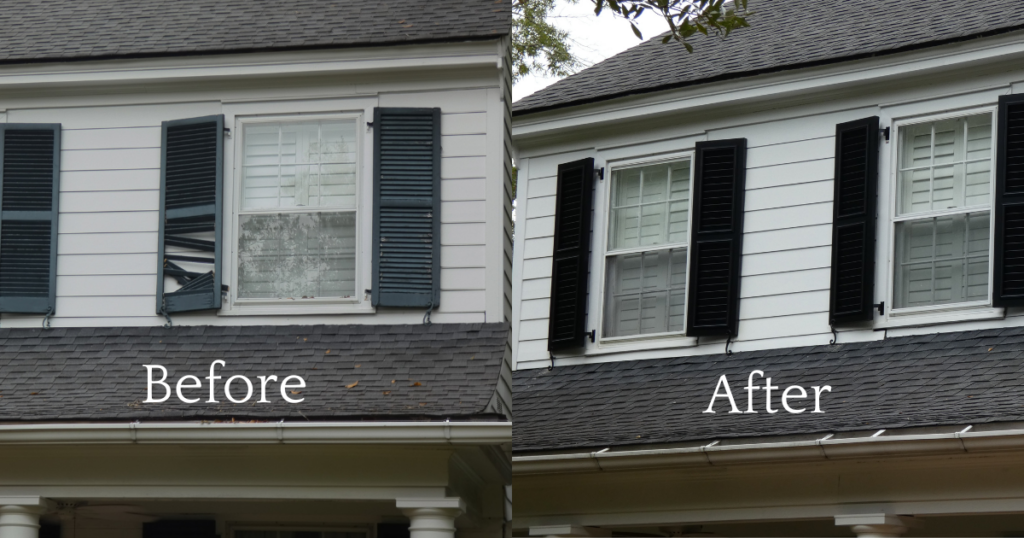
The answer was our Endurance 3-Wave Louvered shutters in aluminum.
Why Aluminum Is the Smarter Long Game
Aluminum shutters give you everything wood promises — and actually delivers on it.
The classic louvered style looks every bit as traditional and intentional from the street. The 3-wave louver profile adds texture and depth that makes the exterior feel finished and custom. And because it’s aluminum, there is no rot, no warping, no bug damage, and no repainting every few years.
Our Endurance line in particular is built for longevity — powder coated for a finish that holds up to sun, rain, and humidity without fading or peeling.
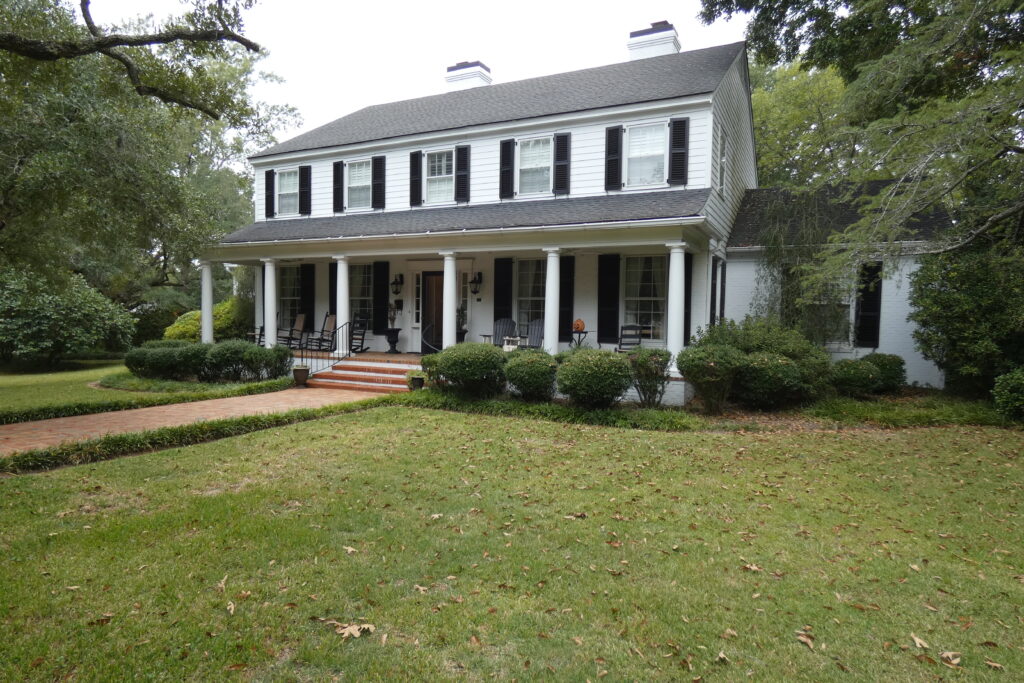
For this homeowner, the transformation was exactly what they were looking for. The new shutters looked better than the originals ever did — and they won’t have to think about them again for decades.
The Bottom Line
Wood shutters had their era. And for old growth lumber, that era was well earned. But the wood available today just isn’t the same material it used to be — and your home’s exterior shouldn’t have to pay the price for that.
If you love the look of traditional louvered shutters but you’re tired of the maintenance, the rot, or the replacements — aluminum is worth a serious look.
Recent Comments