
When most people think about making eco-friendly choices for their home, they think about energy-efficient windows, solar panels, or low-VOC paint. Exterior shutters don’t usually make the list.
But maybe they should.
If you’re choosing aluminum shutters for your home — whether for curb appeal, privacy, shade, or all of the above — you’re also making one of the more sustainable material choices available in home design today. And the numbers back it up.
The Material That Refuses to Quit
Here’s the stat that stops most people in their tracks: approximately 75% of all aluminum ever produced is still in active use today.
That’s not a typo. Three quarters of every piece of aluminum that has ever been made is still out there, still doing its job, still circulating in the economy. That’s because aluminum doesn’t degrade the way other materials do. It doesn’t rot, it doesn’t break down, and it doesn’t lose its structural integrity over time.
For a shutter that lives on the exterior of your home — exposed to sun, rain, humidity, and everything the seasons throw at it — that kind of longevity isn’t just convenient. It’s genuinely good for the planet.
Infinitely Recyclable. No Exceptions.
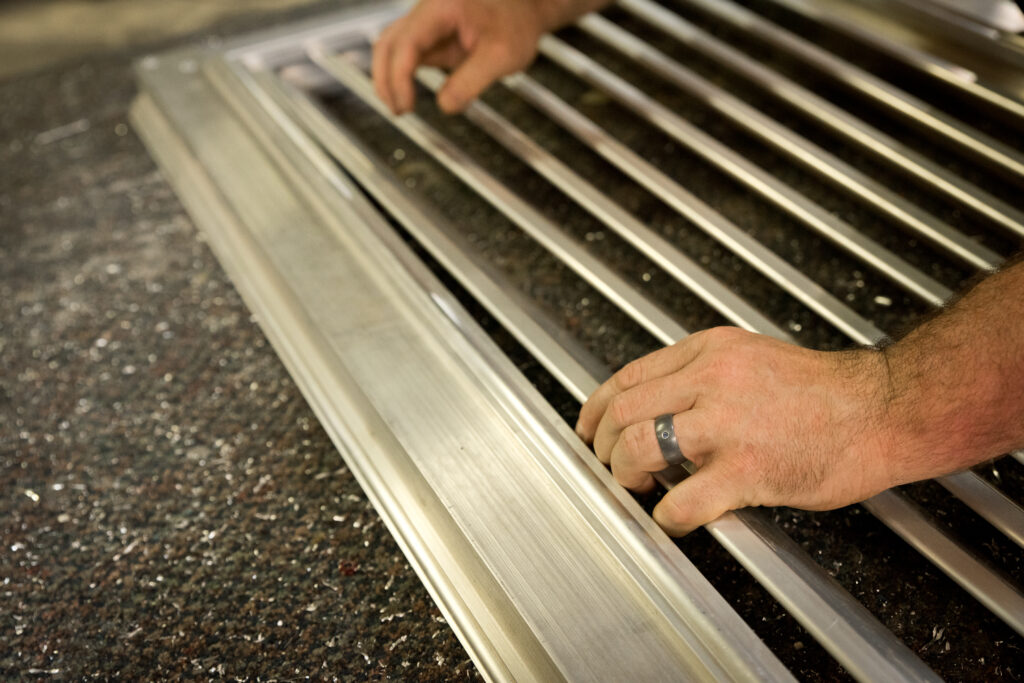
Aluminum is 100% recyclable and can be recycled over and over again without losing a single bit of its quality or strength. Unlike plastic, which degrades a little more with every recycling cycle, or wood, which eventually rots and ends up in a landfill, aluminum just keeps going.
When your aluminum shutters eventually reach the end of their very long life, they don’t disappear into a landfill. They go right back into the supply chain and become something new — at full quality, every single time.
Recycling It Barely Costs the Planet Anything
Here’s where it gets really interesting. Recycling aluminum uses just 5% of the energy needed to produce new aluminum from raw materials. That means every time aluminum is recycled, it saves 95% of the energy that would have otherwise been required to make it from scratch.
And the emissions savings are just as dramatic. Recycling aluminum saves up to 97% of the greenhouse gas emissions produced during primary aluminum production. For a material used as widely as aluminum is in construction and manufacturing, that impact adds up fast.
It’s Replacing Materials That Are Harder on the Environment
One of the less obvious environmental benefits of aluminum is what it replaces. In construction, aluminum is used in place of timber 74% of the time — which means less demand for lumber, and less pressure on forests to keep up with that demand.
For shutters specifically, this is a direct trade. Every set of aluminum shutters installed on a home is a set of wooden shutters that wasn’t — and unlike wood, aluminum won’t rot, won’t attract termites, and won’t need to be replaced in ten years and sent to a landfill.
Low Maintenance Means Less Waste Over Time
It’s easy to overlook the environmental cost of maintenance. But paint, sealant, primers, and the labor and materials that go into keeping wood shutters looking good — all of that adds up over the life of the product.
Aluminum shutters, especially our powder-coated Endurance line, require virtually no maintenance. No repainting, no resealing, and no replacing panels that are warped or rotted. What you install is what you keep — for decades.
The Bottom Line
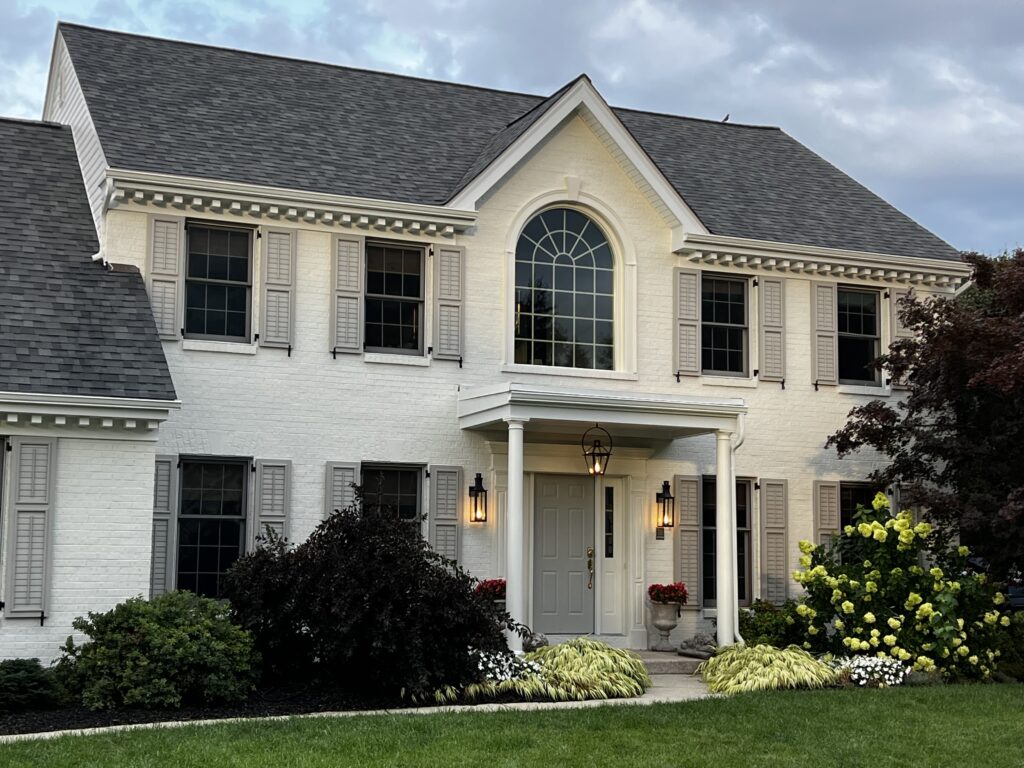
Choosing aluminum shutters isn’t just a smart decision for your home’s curb appeal or your maintenance schedule. It’s a genuinely sustainable choice — backed by real data, real material science, and a track record that speaks for itself.
75% of all aluminum ever made is still in use. It recycles infinitely without quality loss. It saves 95% of the energy needed to make new aluminum. And it replaces materials that are far harder on the environment.
Your shutters can look beautiful and do right by the planet at the same time. That’s a win we can all get behind.
(Sources: Aluminum Association, Novelis, ASM Metal Recycling)
Recent Comments